Business Name: BeeHive Homes of Great Falls
Address: 2320 15th Ave S, Great Falls, MT 59405
Phone: (406) 205-4516
BeeHive Homes of Great Falls
At BeeHive Homes of Great Falls in Great Falls, MT, we offer assisted living, respite care, and memory care for people with dementia. Our residents enjoy living in a cozy place with knowledgeable and caring staff. We aim to meet each person's changing care needs and keep residents as independent as possible. We also plan events and senior living activities based on their interests and skills. Contact us immediately to learn more about how we can help your senior today!
2320 15th Ave S, Great Falls, MT 59405
Business Hours
Monday thru Sunday: Open 24 hours
Facebook: https://www.facebook.com/beehivehomesgreatfalls
Instagram: https://www.instagram.com/beehivehomesofgreatfalls
Choosing where a loved one will live is not an abstract exercise. The choice follows sleep deprived nights, kitchen table debates, and a stack of shiny pamphlets that all promise warmth and dignity. A tour can cut through the sales language. You see genuine faces, hear dining-room clatter, and observe whether staff understand homeowners by name. The right concerns during that tour bring the reality into focus.
Families frequently tour 2 kinds of settings. Assisted living offers assist with everyday jobs like bathing, dressing, and medication suggestions, while still promoting independence. A memory care home is built for individuals with Alzheimer's illness or other dementias, with safe layouts, personnel training in dementia care, and programs that lower anxiety and maintain capabilities. The overlap can be confusing. One structure might market both, however the goals and guardrails vary. Your questions should, too.
Why the tour matters more than the brochure
Care neighborhoods are living organisms. Paperwork informs you the care levels and facilities. A tour shows you culture. I still remember a visit with a daughter whose mother had actually begun wandering at night. The sales workplace described "gentle redirection." On the tour, a nurse mentioned they had actually replaced 3 doorknobs after citizens attempted to force them open. Neither information revoked the other, but together they painted a more sincere picture.
Tours also let you check consistency. What you hear from the sales director ought to match personnel on the flooring. If you ask the dining server how treats are managed and get a clear response that matches what the nurse said, that is a great indication. If three people give three various responses, keep asking.
Know what type of assistance your loved one needs
Before you walk in the door, write down two lists, one of what your loved one can do unassisted, another of what consistently needs help. For memory care, add cognitive details. Does your dad misplace items, or is he getting lost outside? Has your partner had deceptions or sun-downing? Is there a current medical facility stay, weight loss, or falls? The sharper your picture, the more exact your questions.
Assisted living and a memory care home can both feel warm and social, but the scaffolding beneath is different. Assisted living usually anticipates residents to follow cues, remember some actions, and respond to triggers. A memory care program develops the environment around the disease. Hallways are looped to avoid dead ends, kitchens can be secured, and noise and light are tuned to decrease overstimulation. Understanding where you sit on that spectrum will form what you ask.
The difference in between memory care and assisted living in practice
Regulations vary by state, however some broad distinctions hold true.
- Staffing and training expectations in memory care are higher. You will frequently see additional hours of caretaker time per resident and required dementia-specific education. Safety measures are more robust in memory care. Think about protected yards, delayed egress doors, and unobtrusive tracking for elopement risk. Activities are structured differently. An assisted living book club may perform at 3 p.m. Five days a week. Memory care often spaces much shorter, sensory-friendly sessions throughout the day, with parallel activities to satisfy different capability levels. Care strategies adjust much faster in memory care. Habits management, medication modifications, and communication strategies shift as the illness changes.
The building may be lovely in both settings, however appeal alone does not calm confusion at 2 a.m. Or avoid a fall near the bathroom. Match the setting to the requirement, not to the chandelier.
A short pre-tour checklist
Use this fast pass to show up prepared and keep the tour focused.
- Bring a summary: diagnoses, medications, current hospitalizations, and your top three concerns. Clarify finances: anticipated spending plan range, consisting of a reasonable leading end for care add-ons. Ask who leads the tour and whether you can talk to clinical staff, not just sales. Request to see a space like the one that would be offered, not simply the model. Plan to visit at an off-peak time, like early night, in addition to the scheduled tour.
Core concerns that use to both settings
Some concerns crossed all senior living models. Start with these, then branch into memory care or assisted living specifics.
Ask about staffing patterns. "The number of caretakers are on the flooring on days, nights, and overnights, and how many locals do they cover?" A straight ratio can misinform if the structure is large or spread out, so follow up with, "Are staff appointed to constant groups of residents or drifted building-wide?" Connection matters, specifically for dementia care, because trust and familiarity reduce anxiety.
Ask how they manage medical needs. "Who handles medications daily, and what is your protocol for missed or declined doses?" Then, "What happens when a resident's needs increase? At what point do you suggest a higher level of care?" You want a clear escalation course and transparency about thresholds.
Ask about emergency situations. "In the last six months, how often have you moved homeowners to the medical facility and for what kinds of issues?" You are not fishing for a perfect number. You want to hear thoughtful criteria and solid communication with families.
Ask how they track and interact modification. "How typically are care strategies upgraded, and how will you inform us about changes in cravings, state of mind, or movement?" Innovation can assist, however the substance is in who observes, files, and acts.
Finally, ask about resident life. "What does a typical Tuesday appear like here?" Then enjoy if the response matches what you see in the hallways.
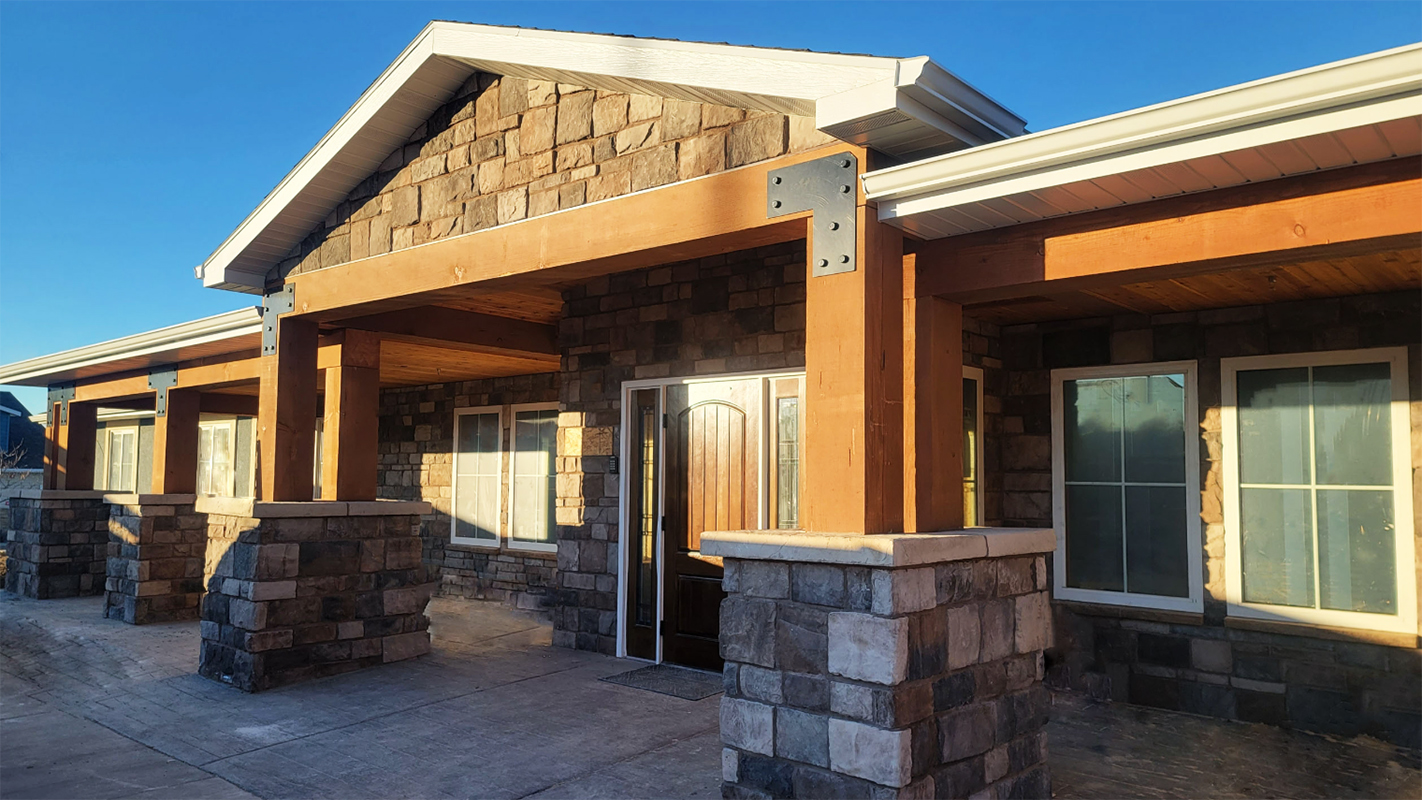
Questions particular to a memory care home
Memory care, when succeeded, is not a locked wing with beautiful art. It is a customized environment and culture. Your questions ought to surface how that culture shows up at 7 a.m., 2 p.m., and 3 a.m.
Ask about the approach behind their dementia care. Excellent programs can discuss their technique in everyday language. Some follow a widely known framework and adapt it, others build their own mix of occupational therapy, validation techniques, and sensory engagement. You are listening for intentionality. If the answer is merely, "We redirect and assure," push for examples.
Probe training information. "What dementia-specific training do all caretakers get before working alone, and how typically do you revitalize it?" Appropriate responses name hours, material, and practice, for instance de-escalation strategies, comprehending unmet requirements behind habits, and safe transfers for individuals who withstand care. Ask if housekeeping, dining, and maintenance personnel get training, because they hang around with locals too.
Dig into habits assistance. "How do you respond if my mother becomes fearful throughout bathing or my father accuses staff of taking his wallet?" You wish to hear structure: anticipate triggers, customize the job, swap caretakers if there is a character inequality, consider time of day, and document what worked. Medication is one tool, not the only one.
Security ought to secure self-respect, not feel like a jail. "How do you keep residents safe from elopement without over-restricting flexibility?" Ask to see exits, courtyards, and wander management innovation. Ask whether locals can go outdoors unaccompanied and how staff screen that area. Look for doors that alarm constantly, an indication of regular near-misses or bad environmental cues.
Activities require to be more than entertainment blocks. "How do you customize engagement for people at various phases of dementia?" assisted living Look for parallel programming, for instance a kitchen area table group folding towels and thinking back, a small music circle, and a walking club, instead of one large occasion where half the group is lost. Ask if activities continue into the evening, when agitation can spike.
Food and dining tone down stress and anxiety. "Can you accommodate finger foods for someone who forgets utensils? Do you serve smaller sized, more regular meals?" In strong memory care, you will see visual menus, contrasting plate colors, and staff who sit at eye level. Ask about hydration techniques, since urinary tract infections and dehydration frequently masquerade as behavioral issues.
Staffing details matter. Numerous memory care homes staff heavier throughout evenings and mornings to support bathing and transitions. As an extremely rough referral point, I typically see day shifts with one caretaker for six to eight homeowners, nights 7 to nine, overnights nine to twelve, with a medication aide and a nurse available or on call. These numbers vary by state rules and acuity, so treat them as conversation starters, not stringent benchmarks.
Ask how they support households. "Will you teach us methods that work here so we can utilize them throughout visits? How do you assist when we deal with regret or resistance?" The best programs coach households, share what calms dad, and debrief after difficult days.
Finally, ask how they determine success. "Can you share current data on falls, weight changes, medical facility transfers, or antipsychotic use?" Numbers vary, however a neighborhood that tracks and discusses them freely is doing the work.
Questions particular to assisted living
Assisted living serves a vast array of homeowners. Some are spry and social, others need assist with several activities of daily living. Your questions must tease out how versatile the assistance is and how it scales.
Clarify admission and retention criteria. "What are the scientific limits for assisted living here? Do you accept locals who require two-person transfers, or those who utilize sliding scale insulin?" Not all buildings can handle the same care. If your spouse needs night-time toileting help, verify that overnight staffing can do that safely.
Ask how they cue and assistance memory lapses. Even if you are not exploring a memory care home, mild cognitive impairment is common. "If my father forgets medications or misses out on meals, how will you see and assist?" Some buildings use wellness checks, others rely more on citizens to come to meals and occasions. Make certain expectations match reality.
Look carefully at the activity calendar and who actually goes to. "How many citizens typically join exercise, lectures, trips? Do you provide little group or one-to-one choices?" A lively calendar means little if the majority of citizens do not or can not participate.
Probe transportation and medical coordination. "How do you handle medical appointments? Exists a nurse on website every day? Who follows up after a medical facility visit or rehab stay?" Assisted living is social, but health obstacles still take place. Ask how they assist homeowners bounce back.
Discuss the path if memory issues grow. "If my spouse starts roaming or showing delusions, what assistance can you include here, and when would you suggest transferring to memory care?" Some assisted living structures have a dedicated memory care wing, which can ease transitions. Others may request outdoors buddies, which adds expense. You desire a strategy, not a shrug.
Compare side by side during the tour
An easy contrast throughout your visit can help you see beyond labels.
|Measurement|Memory care home|Assisted living||-- |-- |--|| Staffing|Greater caretaker hours, dementia-specific training, often smaller assignment groups|Variable caretaker hours, basic training, bigger task groups|| Environment|Safe boundaries, looped corridors, decreased overstimulation|Open gain access to, more resident-controlled motion|| Activities|Short, frequent, sensory-based, parallel groups|Larger group occasions, lectures, fitness classes, outings|| Dining|Visual cues, finger foods, pacing changes|Dining establishment design, menus, set mealtimes|| Care adaptations|Fast response to behavior and cognitive change|More reliance on resident effort and prompts|
This table is just a starting point. On the ground, programs differ extensively. Let what you see and hear guide you.
What to view and listen for while you walk
I like to stop briefly at limits. Stand silently near the activity room for a complete minute. Does the facilitator keep people engaged or look harried? Step into a resident hallway and notification smells. Occasional odors occur anywhere. Relentless heavy smells suggest spaces in toileting or housekeeping routines.
Listen to how staff address residents, particularly when things fail. A gentle, specific prompt, "Hello there Mary, it is nearly lunchtime, can I walk with you to the dining-room?" beats a generic, "It is time to eat," or even worse, "You need to go now." In a memory care home, likewise enjoy shifts, such as moving from activity to lunch. Smooth shifts hint at good planning.
Peek at the published staff project sheet if you can. Are the exact same caregivers coupled with the same locals most days? Consistency decreases anxiety, particularly for dementia care.
Ask to see a space that is presently inhabited and permission is granted. Model rooms are staged. Lived-in spaces expose genuine storage, restroom designs, and whether grab bars match where people really reach.
Safety, falls, and real-world mitigation
Both settings must have a clear falls program. Ask for concrete examples, not mottos. If a resident fell twice near the restroom, did they include a motion sensing unit nightlight, move the bed, evaluation diuretics, and trial set up toileting? In memory care, ask how they deal with residents who stand rapidly and forget walkers. Some neighborhoods position walkers at the bed foot with a bright strap, others train personnel to hint before locals rise.
If your loved one wanders, ask what takes place when an exit alarm sounds. Who responds first, what is their average action time, and how do they debrief later? A neighborhood that can call action actions without looking to the sales sheet probably drills regularly.
Medical oversight without medical overreach
Senior living is not a healthcare facility, but health care runs through it. Clarify the nurse existence. Exists a RN on site daily, an LPN on evenings, or only a nurse on call in the evening? Ask who manages medication changes from the primary care physician or neurologist. If the building partners with checking out service providers, you can select to use them or keep your own. Either way, ask how orders circulation, who reconciles them, and how rapidly modifications are implemented.
For memory care in particular, ask how they handle antipsychotics and sedatives. You wish to hear that non-drug interventions precede, that any new medication starts with the most affordable effective dosage, which there is a plan to reassess and taper if suitable. A neighborhood that over-sedates may seem calm on tour, however the quiet comes at a cost.
Costs, agreements, and the unglamorous details
Price structures vary. Some memory care homes bundle services into a single rate due to the fact that almost everybody requires comparable assistances. Others utilize a level-of-care model that adds fees as needs increase. Assisted living more frequently utilizes levels or points, which can alter after move-in. Ask how often assessments happen and how much notice you get before a cost increase.
Ask about what is consisted of. Caregiver assistance, nursing oversight, meals, housekeeping, linens, transport, and activities are common inclusions. Medication management, incontinence products, escorts to meals, and specialized therapies may cost extra. If your loved one might require one-to-one support throughout the day or night, get a written hourly rate and typical use examples.
Clarify move-out and deposit policies. If your mother moves to rehabilitation for 2 months, will they hold her house and at what cost? In a memory care home, ask the length of time they will hold a room during hospitalization and whether there is a lowered rate while the space is vacant.
Finally, be honest with yourself about monetary runway. Dementia care, whether in a memory care home or assisted living with added assistances, is pricey. I typically counsel families to run a two-year and a five-year forecast based on present rates plus a reasonable annual boost, typically in the 3 to 7 percent variety, then include a cushion for a greater care level.
Family participation and communication culture
Communities that invite family input tend to catch problems early. Ask if there are routine care conferences and whether you can request an advertisement hoc conference after any major change. Clarify how frequently you will receive updates, and in what format. Some memory care programs send out short weekly notes with highlights and any issues. Others count on a website. A call still matters when appetite drops rapidly or your father starts pacing at night.
Observe family visits as you tour. Are there puts to sit independently, not simply in the primary lobby? In a memory care home, ask how they support visits when your loved one ends up being overstimulated. Some will use a little peaceful lounge or recommend the very best times of day based upon your loved one's rhythm.
When requires modification: aging in place vs prepared transitions
Dementia is progressive, and other health issues layer on. A strong strategy acknowledges change upfront. Ask where the community has a hard time to meet requirements. Two-person transfers, constant oxygen, or behavior that threatens security are common pressure points. In assisted living, ask whether hospice can be brought in and whether citizens can remain in place through end of life. In memory care, numerous neighborhoods coordinate hospice flawlessly so residents do not face a disruptive move.
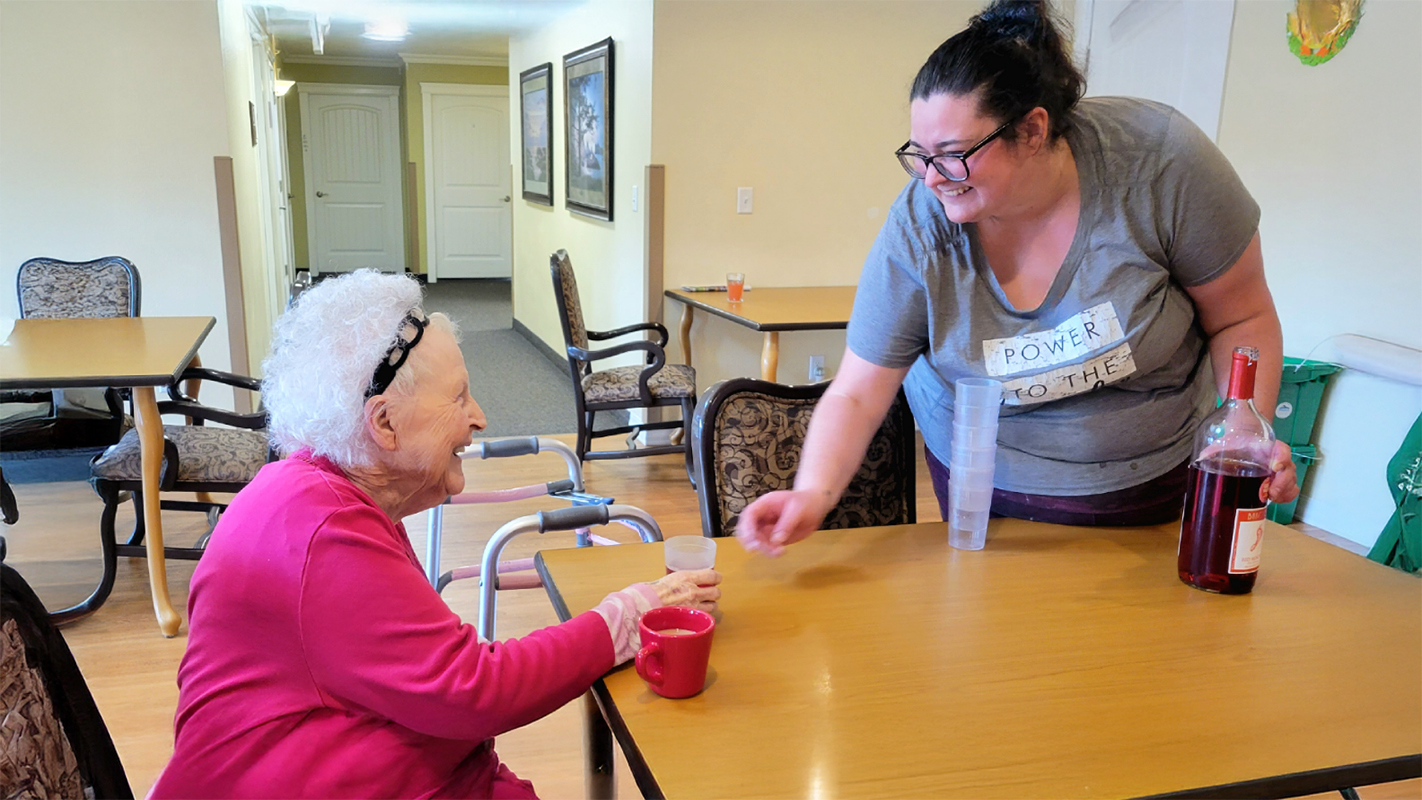
If you are leaning toward assisted living now but expect to require a memory care home later on, ask whether the building has an affiliated memory care program and how transfers are dealt with. An internal transfer frequently permits you to keep the very same medical professional and drug store, and staff might currently know your loved one, which eases the transition.
Red flags and green lights
Keep these quick informs in mind as you stroll and talk.
- Vague responses about staffing, training, or escalation plans point to disorganization. Strong eye contact in between personnel and locals, with names used naturally, signals great relationships. Frequent high-pitched door alarms, locals collected listlessly near exits, or staff who prevent engagement recommend stress points. Transparent conversation of recent obstacles, such as an influenza outbreak or a resident with escalating behaviors, shows maturity. A resident council or family council that meets frequently indicates a culture open up to feedback.
Edge cases most households do not inquire about, but should
If your loved one has an uncommon dementia, such as Lewy body illness or frontotemporal dementia, ask about specific experience. The habits, medication level of sensitivities, and visual hallucinations can differ from normal Alzheimer's. Request for examples of how they adjusted care for someone with similar symptoms.
If your spouse is in early-stage dementia and highly social, ask how they avoid seclusion in a memory care home where peers may be even more along. Some neighborhoods run bridge programs, little groups concentrated on discussion and trips that feed the requirement for autonomy while still supplying supervision.
If your parent is an introvert who declines activities, ask how engagement is determined and individualized. A peaceful early morning arranging photos or sitting in the garden may be more significant than bingo, but it still needs personnel time and intention.
Cultural fit matters too. Ask how the team supports language choices, spiritual care, or diet traditions. Observe vacation designs and occasions. Neighborhoods that can articulate how they satisfy diverse needs generally show it in little everyday touches.
After the tour: how to debrief and decide
Decisions rarely hinge on one stunning function. They come from a pattern of fit. Debrief while impressions are fresh. Jot down two sentences about how the location felt, not simply facts. Keep in mind the names of staff who impressed you and why. If possible, visit again unannounced, ideally at a various time of day. Go back through your non-negotiables and see which neighborhood best matches them today, not the idealized variation on paper.
As you narrow options, consider a short respite stay, one to two weeks, if the community provides it. Respite gives you a window into life beyond the tour and lets the team test and tweak the care plan. For dementia care, a brief trial can appear how your loved one reacts to the environment. You will discover more from 2 breakfasts and one hard night than from an outstanding brochure.
The right questions do not ensure a best outcome, but they appear the heart of a program. In a memory care home, you are looking for a group that understands dementia as a whole-person condition and builds the day around that fact. In assisted living, you want versatile assistance that enhances self-reliance without ignoring the early indications that more assistance is on the horizon. Ask specifically, listen closely, and see how the responses reside in the hallways.
BeeHive Homes of Great Falls provides assisted living care
BeeHive Homes of Great Falls provides memory care services
BeeHive Homes of Great Falls provides respite care services
BeeHive Homes of Great Falls supports assistance with bathing and grooming
BeeHive Homes of Great Falls offers private bedrooms with private bathrooms
BeeHive Homes of Great Falls provides medication monitoring and documentation
BeeHive Homes of Great Falls serves dietitian-approved meals
BeeHive Homes of Great Falls provides housekeeping services
BeeHive Homes of Great Falls provides laundry services
BeeHive Homes of Great Falls offers community dining and social engagement activities
BeeHive Homes of Great Falls features life enrichment activities
BeeHive Homes of Great Falls supports personal care assistance during meals and daily routines
BeeHive Homes of Great Falls promotes frequent physical and mental exercise opportunities
BeeHive Homes of Great Falls provides a home-like residential environment
BeeHive Homes of Great Falls creates customized care plans as residents’ needs change
BeeHive Homes of Great Falls assesses individual resident care needs
BeeHive Homes of Great Falls accepts private pay and long-term care insurance
BeeHive Homes of Great Falls assists qualified veterans with Aid and Attendance benefits
BeeHive Homes of Great Falls encourages meaningful resident-to-staff relationships
BeeHive Homes of Great Falls delivers compassionate, attentive senior care focused on dignity and comfort
BeeHive Homes of Great Falls has a phone number of (406) 205-4516
BeeHive Homes of Great Falls has an address of 2320 15th Ave S, Great Falls, MT 59405
BeeHive Homes of Great Falls has a website https://beehivehomes.com/locations/great-falls/
BeeHive Homes of Great Falls has Google Maps listing https://maps.app.goo.gl/1z93HCVXHyRSY9gU6
BeeHive Homes of Great Falls has Facebook page https://www.facebook.com/beehivehomesgreatfalls
BeeHive Homes of Great Falls has an Instagram page https://www.instagram.com/beehivehomesofgreatfalls
BeeHive Homes of Great Falls won Top Assisted Living Homes 2025
BeeHive Homes of Great Falls earned Best Customer Service Award 2024
BeeHive Homes of Great Falls placed 1st for Senior Living Communities 2025
People Also Ask about BeeHive Homes of Great Falls
What is BeeHive Homes of Great Falls Living monthly room rate?
The monthly cost for assisted living, memory care, or senior care in Great Falls, MT depends on the level of care needed. Each resident receives a personalized assessment, and pricing is based on that evaluation. BeeHive Homes is known for clear, transparent pricing with no hidden fees
Can residents remain at BeeHive Homes as their care needs change?
In many cases, yes. BeeHive Homes of Great Falls is designed to support residents as their needs evolve, whether that means increased assistance with daily living or transitioning to memory care within the BeeHive network. Residents may remain as long as their needs can be safely met without 24-hour skilled nursing
What types of senior care are offered at BeeHive Homes of Great Falls, MT?
BeeHive Homes of Great Falls provides a range of care options, including assisted living, memory care, respite care, and specialized traumatic brain injury (TBI) assisted living care. Care is offered across eight (8) residential-style BeeHive Homes located throughout the Great Falls community, each designed to support a specific level of care
What is Traumatic Brain Injury (TBI) assisted living care?
Traumatic Brain Injury assisted living care is designed for individuals who need daily support following a brain injury but do not require 24-hour skilled nursing. At Fireweed Home, BeeHive Homes of Great Falls provides structured routines, personalized assistance, and consistent supervision tailored to the unique needs associated with TBI
Can families tour BeeHive Homes of Great Falls?
Absolutely! Families are encouraged to schedule a tour to learn more about assisted living, memory care, and senior living in Great Falls, MT. To arrange a visit or speak with our team, please call (406) 205-4516
Where is BeeHive Homes of Great Falls located?
BeeHive Homes of Great Falls is conveniently located at 2320 15th Ave S, Great Falls, MT 59405. You can easily find directions on Google Maps or call at (406) 205-4516 Monday through Sunday Open 24 hours
How can I contact BeeHive Homes of Great Falls?
You can contact BeeHive Homes of Great Falls by phone at: (406) 205-4516, visit their website at https://beehivehomes.com/locations/great-falls, or connect on social media via Facebook or Instagram
Visiting the Black Eagle Memorial Island provides peaceful river scenery that can be enjoyed by residents in assisted living or memory care during senior care and respite care excursions.